Waterfront properties offer exceptional beauty, recreational opportunities, and long-term value, but they also face constant exposure to waves, tides, erosion, and severe weather. Protecting these valuable shorelines requires durable infrastructure that can withstand nature's forces without causing unnecessary environmental damage. This is where eco-friendly seawall construction services play a vital role.
Modern seawall construction goes beyond simply building barriers against water. Today's sustainable solutions are designed to protect coastlines while preserving aquatic ecosystems, improving water quality, and supporting native wildlife. By combining innovative engineering with environmentally responsible materials and construction practices, property owners can enjoy long-lasting shoreline protection without compromising the surrounding environment.
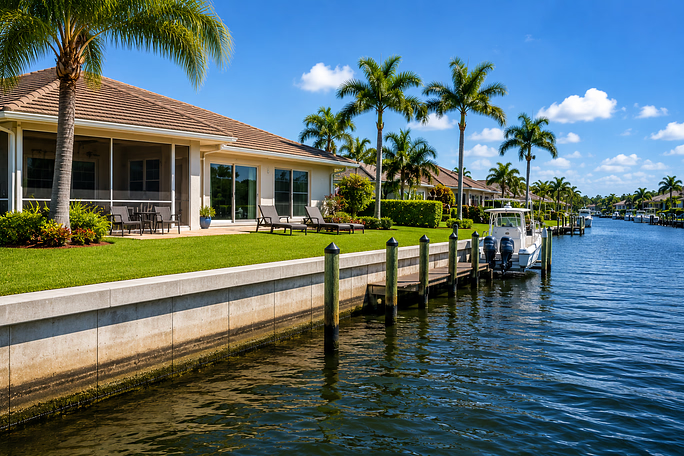
Understanding Eco-Friendly Seawall Construction
Eco-friendly seawall construction focuses on minimizing environmental impact while providing reliable erosion control and shoreline stabilization. Unlike traditional seawalls that may disrupt natural habitats or alter water flow, sustainable seawall designs incorporate features that work in harmony with local ecosystems.
Professional seawall construction services carefully assess site conditions, including soil composition, wave action, tidal patterns, drainage, and existing vegetation before recommending the most suitable design. This customized approach ensures the seawall performs effectively while reducing ecological disturbance.
Benefits of Sustainable Seawall Construction Services
Choosing an environmentally conscious seawall construction service provides numerous advantages for both property owners and the surrounding ecosystem.
Enhanced Shoreline Protection
Eco-friendly seawalls are engineered to resist erosion while maintaining the natural stability of the shoreline. Advanced construction techniques help reduce wave energy, minimizing soil loss and preventing costly property damage.
Improved Environmental Health
Sustainable seawall designs often include habitat-friendly features that encourage marine life growth. Textured surfaces, integrated planting areas, and natural stone elements create spaces where aquatic organisms can thrive, promoting biodiversity.
Long-Term Cost Savings
Although environmentally friendly seawall solutions may require a higher initial investment, they often deliver lower maintenance costs and longer service life. High-quality materials and proper installation reduce the need for frequent repairs, making them a smart long-term investment.
Increased Property Value
Well-designed sustainable seawalls enhance both the appearance and functionality of waterfront properties. Buyers increasingly appreciate environmentally responsible improvements that provide lasting protection and reduce future maintenance concerns.
Sustainable Materials Used in Seawall Construction
Modern seawall construction services utilize a variety of environmentally friendly materials that balance durability with ecological responsibility.
Reinforced Concrete
Advanced concrete mixtures offer exceptional strength and longevity while incorporating recycled materials to reduce environmental impact. Properly designed concrete seawalls can last for decades with minimal maintenance.
Vinyl Sheet Piling
Vinyl seawalls are resistant to corrosion, rot, and marine organisms. Their long lifespan reduces replacement frequency, making them an environmentally responsible option for many waterfront applications.
Natural Stone
Natural rock revetments and stone seawalls blend seamlessly with surrounding landscapes. These structures absorb wave energy more naturally while providing habitats for fish, shellfish, and aquatic plants.
Composite Materials
Recycled composite materials combine strength, durability, and sustainability. These products resist weathering while reducing dependence on virgin construction materials.
Environmentally Responsible Construction Practices
Professional seawall construction services implement sustainable practices throughout every phase of the project.
Careful site planning minimizes disturbance to nearby vegetation and aquatic habitats. Construction teams use erosion control measures such as sediment barriers and temporary drainage systems to prevent runoff from entering nearby waterways.
Whenever possible, existing native vegetation is preserved and restored after construction. Native plants stabilize shorelines, improve water quality, and provide habitat for local wildlife.
Efficient equipment usage, responsible waste management, and material recycling further reduce the project's environmental footprint.
Innovative Seawall Design Features
Today's sustainable seawalls incorporate advanced engineering techniques that provide superior performance while supporting natural ecosystems.
Living seawalls feature built-in pockets or textured surfaces that allow marine organisms to attach and grow. These structures create miniature habitats that enhance biodiversity without sacrificing structural integrity.
Hybrid shoreline stabilization combines traditional seawalls with natural elements such as wetlands, vegetation, and oyster reefs. This integrated approach improves erosion control while restoring ecological balance.
Permeable drainage systems help manage stormwater effectively, reducing pressure behind the seawall and minimizing water pollution.
The Importance of Professional Installation
Eco-friendly seawall construction requires specialized knowledge, engineering expertise, and compliance with local environmental regulations. Experienced contractors understand how to design structures that meet both performance and sustainability goals.
Professional seawall construction services begin with comprehensive site evaluations and develop customized solutions based on each property's unique characteristics. Proper installation techniques ensure structural stability, maximize service life, and reduce future maintenance requirements.
Contractors also assist property owners with permits, environmental assessments, and regulatory compliance, helping projects proceed efficiently while meeting all legal requirements.
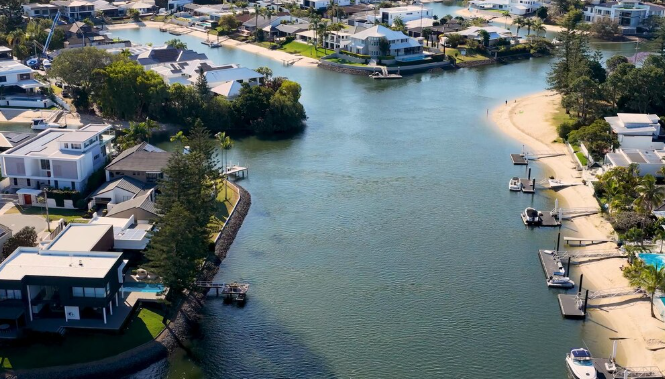
Maintaining Sustainable Seawalls
Routine maintenance is essential for preserving the effectiveness of any seawall. Regular inspections help identify minor issues before they become costly repairs.
Property owners should monitor for signs of erosion, cracks, drainage problems, or displaced materials. Cleaning debris, maintaining drainage systems, and protecting nearby vegetation all contribute to long-term performance.
Working with experienced seawall professionals for periodic inspections ensures the structure continues providing reliable shoreline protection while maintaining its environmental benefits.
Conclusion
Eco-friendly seawall construction service solutions represent the future of sustainable waterfront protection. By combining durable materials, innovative engineering, and environmentally responsible construction practices, these modern systems safeguard valuable waterfront properties while preserving the natural beauty and health of coastal ecosystems.
Whether protecting a residential shoreline, commercial marina, or public waterfront, investing in sustainable seawall construction offers long-lasting security, reduced environmental impact, and increased property value. Choosing an experienced seawall construction service ensures your shoreline remains resilient against erosion and changing weather conditions while supporting a healthier, more sustainable waterfront for generations to come.